

Installing a Conservatory Wood Burner
A conservatory wood burner is a great option to heat your conservatory and it's less expensive than underfloor heating or electric heaters. You need to choose a stove that has the correct kW for your conservatory, and ensure that it meets building regulations.
Your stove must be situated on a non-flammable base to comply with UK building regulations. This could be a stone or tiled hearth.
Cost
A wood-burning stove can bring warmth and personality to a conservatory. It can also help reduce the cost of heating and energy. However the initial investment may be a big one. The cost of installing a flue system can differ based on the stove and the installation requirements.
You can connect the conservatory to your house's central heating system or install a separate flue. Both choices have advantages and disadvantages. The extension of the central heating system to the conservatory can make it appear as an extension of your home, but can also increase your energy bills. In addition installing a flue inside the conservatory can be less expensive and more practical.
If you decide to install a flue in your conservatory, it'll need to pass through the roof. It may be difficult to do this in the case of a conservatory made of glass, however it's possible. A professional installer will cut through the roof and use an flange to secure it against the elements.
The cost of a chimney system for a conservatory is contingent on the size of the room and the type stove you use. A basic twin-wall flue will cost about PS1,150. A flue that is insulated will be more expensive. It is essential to install the flue properly. It is also recommended to employ a professional to ensure all safety regulations are followed.
A wood burner in your conservatory will transform it into a relaxing living space throughout the year, and it can be more affordable than an electric heater. It is crucial to keep in mind that wood stoves will not be able to heat your entire conservatory. You will need to find a different method of heating.
Before installing a wood-burning stove in your conservatory, you will be required to ensure that the area is secure and in compliance with UK building regulations. The stove should be set on a base that is not flammable and be placed at least 300mm from walls that are combustible. A hearth is also necessary to shield the flooring from the heat produced by the stove.
Heat output
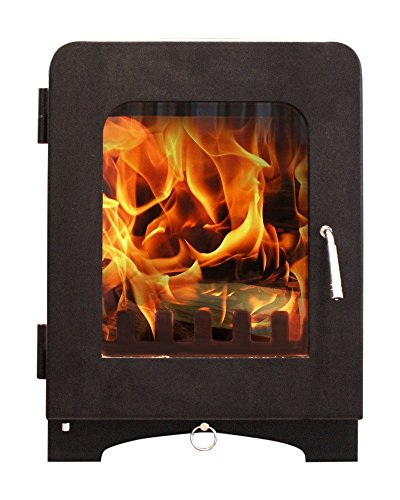
A wood burner in a conservatory can be a great addition to your home, allowing you to make use of it all year long. It's cheaper than underfloor heating, and more attractive than a radiator. It's also an energy source that is renewable, so you can save money on your electric bill!
However installing wood heater stove in your conservatory isn't without its challenges. One of the biggest hurdles is the flue installation. It can be difficult to install a flue on a glass conservatory's roof, but it's not difficult. You'll need an HETAS-registered professional who can cut through the roof and seal it using either a flange or a sheet of insulation material. This will ensure that the installation is safe and legal, which is crucial for insurance purposes, and also when you plan to sell your property in the near future.
It is essential to ensure that your conservatory roof is properly insulated before installing the stove. This will prevent the loss of heat. This is especially crucial when you're using an extremely efficient stove. A solid conservatory roof made by Guardian Warm Roof can help to prevent this issue by putting up a thick layer of insulation and reducing the amount of heat that is lost through the glass roof.
The position of the stove is important, as the flue needs to be positioned at least 2.3 metres away from the wall that connects your conservatory to your home. This may be difficult in the event that you decide to place your stove in a corner. However, a pipe that extends into walls or ceilings is usually a solution to this problem.
Once you've decided on a suitable location for your wood stove, it's important to follow the construction regulations that are applicable to chimneys, stoves and fireplaces. In particular, you'll require a hearth that is at least 12mm thick and wide enough to extend 300mm in the front of the stove and 150mm either side. Also, you'll need a ventilation hole that is at least 550mm2 in the case of a stove having more power than 5kW.
Ventilation
It is important to have enough ventilation in your conservatory if you plan to install a wood-burning stove. This will stop the room from getting too hot once the fire is lit. A conservatory is often poorly insulated, so you may need to upgrade the insulation in the roof and fit an automatic temperature-controlled vent system. It's also recommended to install carbon monoxide detectors in case of any leaks.
Log burners, unlike other heating methods require a chimney to facilitate the emission of fumes. Although it is possible to circumvent this requirement by installing venting systems but this can be costly and may not comply with building regulations. Instead, you can use a twin wall flue pipe to avoid the cost of installing an internal chimney, and still be able to meet your ventilation requirements.
The twin wall flue pipe is intended for use in conservatories. They have an insulated layer that stops the outside of the pipe from becoming too hot and posing dangerous. Other types of flue pipes such as multi-wall or twin bore, should not be used in conservatories since they don't have this insulation.
The location of the flue is a major issue when installing a wood stove in a conservatory. The most commonly used method is to run the chimney through the wall that connects your conservatory to your house. This is typically the quickest and most cost-effective option, but you will need to follow building regulations by making sure that the flue is at least 2.3 meters away from the home and at least one centimetre above the roof of the conservatory.
You can also put the flue pipe at the corner of the room, in the area where the stove is. This will lower the cost of installation and create a more attractive final result. But, you'll need ensure that the flue is 1.3m from any combustible material and at least 1.2m from any doors. It's best to hire a professional to install the flue since it will make it easier to comply with building regulations.
Safety
Log burners can add warmth and class to your conservatory. They can also create a tranquil space to relax. Click That Link is crucial to set them up correctly and in accordance with the manufacturer's instructions and safety standards. It is also important to ensure adequate clearances from walls and combustible materials. A certified professional should be used to carry out this work.
Adding a wood-burning stove to your conservatory will give it an extra sense of luxury, and it is also cost-effective. It can be used to heat the conservatory and create a second living space for your family. It's important to make sure that you choose the correct kind of fire and flue system, and that it is installed by a HETAS-qualified installer.
You'll need to put in an air intake for your wood-burning stove and it is essential that the flue meets UK building regulations. Choose a double-insulated, cool-to-the outside twin flue system. It can be positioned against a wall in the house or on the roof of a conservatory, and should extend at least 1m over the guttering.
Before you install your stove, be sure to consider the dimensions of your conservatory as well as the kW (kilowatts) needed for it. This can be determined using various online calculators. It is also important to consider whether you live in a smoke control area, as this can determine the kind of stove you can buy.
Once you've decided on the best type of stove, it's time to prepare the floor. The base should be constructed of non-combustible material, and it should be kept away from combustible floors and wall coverings. It is recommended to install an untiled fireplace that is at least 50mm thick and will be in compliance with UK building regulations.
In the majority of cases, you will not require permission to build a wood-burning fireplace in your conservatory. However, if you're in an area designated as a conservation zone it is recommended to check with your local authority first find out if there are any restrictions.